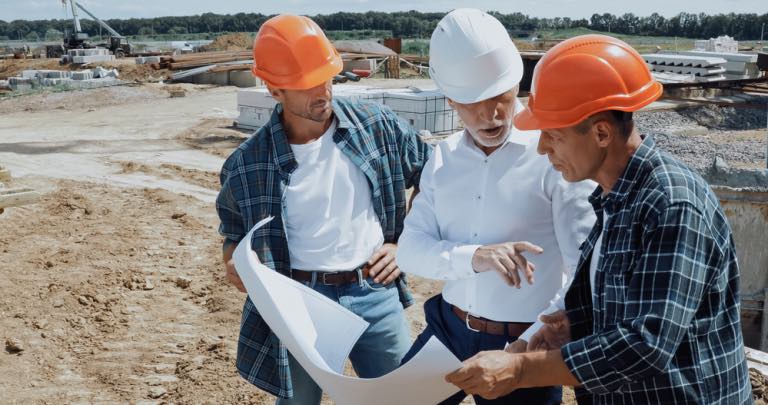
When it comes to the world of construction, the challenges faced by industrial construction projects are a league of their own. From complex designs to tight deadlines, these ventures require meticulous planning and execution.
This article will delve into the various obstacles that often crop up in industrial construction projects and shed light on the invaluable role played by a design engineer tunnels in overcoming these challenges.
Understanding the Landscape
Industrial construction projects encompass a wide array of facilities, including power plants, factories, refineries, and more. These mammoth undertakings demand precision and expertise due to their sheer scale and intricate requirements. Here are some of the hurdles that project managers, architects, and engineers commonly encounter.
Environmental Factors
One of the foremost challenges in industrial construction is dealing with the environment. These projects often take place in remote or environmentally sensitive areas. Striking a balance between development and environmental preservation is crucial. Environmental impact assessments and mitigation measures are integral in navigating this challenge.
Regulatory Compliance
Industrial construction is subject to a plethora of regulations and permits. Ensuring compliance with local, state, and federal laws is a herculean task. Any missteps in this regard can lead to costly delays or even project shutdowns. Hence, staying updated with the ever-evolving regulatory landscape is a must.
Budgetary Constraints
When it comes to industrial construction, the financial aspect can be a minefield. These projects typically involve substantial budgets, and cost overruns can quickly spiral out of control. There are several factors within the realm of budgetary constraints that deserve closer examination:
Unforeseen Expenses: Despite meticulous planning, unforeseen expenses can arise. These may include unexpected delays, changes in project scope, or unforeseen geological challenges. Having contingency funds earmarked for such situations is essential to avoid derailing the entire project.
Inflation and Fluctuating Material Costs: Industrial construction projects often span several years. During this time, inflation can erode the purchasing power of the allocated budget. Additionally, fluctuations in material costs, particularly for commodities like steel and concrete, can impact the project’s financial viability. Regularly reviewing and adjusting the budget to account for these factors is a prudent approach.
Skilled Labor Shortages: The demand for skilled labor in the construction industry can lead to increased labor costs. As experienced workers become scarcer, their wages tend to rise. This can put additional strain on the project’s budget, necessitating strategic workforce planning to mitigate the impact.
Scope Creep: Changes in project scope, whether initiated by the client or arising from unforeseen circumstances, can have a significant financial impact. Controlling scope creep through rigorous change order processes and client communication is essential to prevent budget overruns.
Financing and Cash Flow: Managing the cash flow of an industrial construction project is crucial. Delays in payments from clients or lenders can disrupt the project’s progress and lead to financial stress. Establishing robust financing arrangements and monitoring cash flow closely can help keep the project on track.
Safety Concerns
Safety is paramount in any construction project, but industrial sites pose unique risks. The potential for accidents is higher due to the presence of heavy machinery, hazardous materials, and complex processes. Safety protocols and training programs are indispensable to protect the workforce.
Supply Chain Disruptions
In an increasingly globalized world, supply chain disruptions can wreak havoc on industrial construction projects. Delays in the delivery of materials and equipment can cascade into significant setbacks. Managing the supply chain efficiently and having contingency plans in place is essential.
The Role of Tunnel Design Engineers
Tunneling is a specialized branch of industrial construction that deals with the creation of tunnels for transportation, utilities, and more. Tunnel design engineers play a crucial role in mitigating the challenges unique to tunneling projects.
Geotechnical Expertise
Tunnel design engineers possess in-depth knowledge of the geological and geotechnical conditions that tunnels may encounter. This expertise allows them to select suitable tunneling methods and design reinforcement structures to withstand potential challenges such as unstable soil or rock formations.
Risk Assessment and Mitigation
A design engineer for tunnels will conduct thorough risk assessments to identify potential hazards and challenges specific to tunneling projects. They develop mitigation strategies, such as tunnel support systems and ground stabilization techniques, to address these risks and ensure project safety.
Innovative Design Solutions
Innovation is key in tunnel design. Engineers continuously explore cutting-edge technologies and materials to optimize tunnel construction methods and enhance project efficiency. This innovation often results in cost savings and faster project completion.
Environmental Considerations
Tunnel design engineers are acutely aware of the environmental impact of tunneling projects. They work to minimize disruption to ecosystems and communities by employing environmentally friendly construction techniques and materials.
Conclusion
Industrial construction projects are complex endeavors fraught with challenges. Environmental factors, regulatory compliance, budget constraints, safety concerns, and supply chain disruptions are just some of the obstacles that project teams must navigate. Tunneling projects, in particular, require specialized expertise from tunnel design engineers to overcome unique challenges.
In the end, successful industrial construction projects are a testament to effective planning, expert execution, and the ability to adapt to unforeseen challenges.
As the construction industry continues to evolve, staying informed, innovative, and environmentally responsible will be the key to navigating these challenges and ensuring the successful completion of industrial construction projects