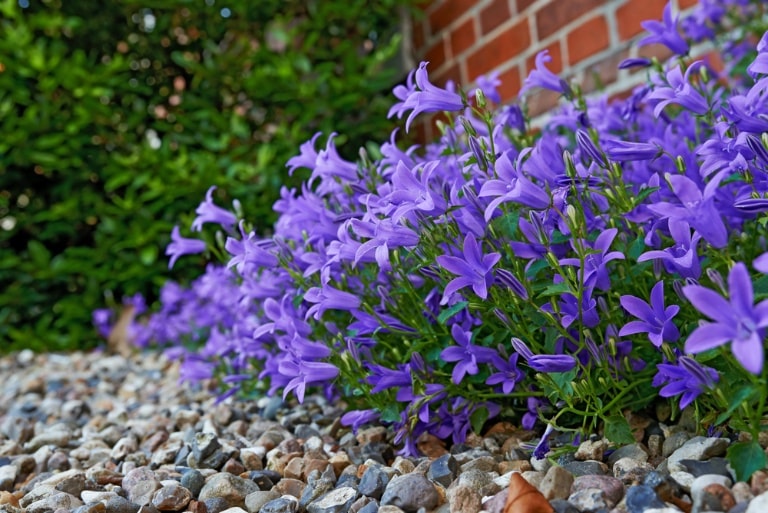
High-maintenance gardens and traditional lawns require a significant amount of time, money, and water resources, especially in hotter weather. This is why more homeowners are converting their gardens to eco-friendly designs that are environmentally conscious, aesthetically appealing, and easy to maintain. Using a combination of native vegetation with gravel landscapes can help you to save water, local wildlife, and get curb appeal.
And the best thing is that… There is no need to search through supply stores to get the desired gravel materials. High-quality gravel is delivered directly through mygravelmonkey, where excellent prices are combined with quality service. So, design a garden that is beautiful and eco-friendly. In this article, we will show you how you can create a low-maintenance and aesthetic garden with gravel and native plants.
What is the Importance of Eco-friendly Gardens?
Green gardens are water-saving, less chemically treated, and protect the wildlife in that area. They are friendly to the environment and the wallet. Gravel or other hard materials, such as stepping stones, are beneficial because you create a garden that suits nature rather than a garden that fights with nature.
Advantages of Using Gravel
Gravel is not only a pretty rock, but it also has numerous advantages in the garden. Here are the pros of using gravel in your garden design:
- Enhances drainage: Gravel enables the rainwater to drain into the ground, and this eliminates the formation of puddles and runoffs.
- Helps to kill the weeds: A gravel layer prevents weed growth because sunlight can no longer reach the plants.
- Conserves water: Gravel does not require watering, as is the case with grass.
- Lasts for a long time: Gravel does not rot or decompose like mulch. It remains there for years.
Gravel types are diversified, so there is pea gravel, crushed granite, or river rock. They are all different in texture and color, and thus can be fitted to suit the kind of garden design.
Why Native Plants Are Important
Native plants are those that develop naturally in your locality. They have adapted to local weather and soil, i. e. they require less money and attention. In addition, they offer food and shelter to the birds, bees, and butterflies.
- No chemical requirements: They require no fertilizers or pesticides.
- Drought-hardy: When planted, they can do well without much water.
- Native-plant friendly: Wildlife supports the pollinators and biodiversity.
In California, varieties such as California poppies, manzanita, and yarrow are great options. In the Midwest, purple coneflowers, prairie dropseed, or wild bergamot can be found.
How to Design Your Garden
With the help of the following simple guide, you can make your garden eco-friendly:
1. Design Your Plan
The easiest way to start is by sketching a rough layout. Determine the location where you desire the gravel paths, sitting areas, and plant beds. Use curves and flowing lines to imitate nature.
2. Choose the Right Gravel
Select the kind of gravel that suits your preference and requirements. The pea gravel can be very soft on the feet and used as a walkway. The crushed gravel is suitable for use in driveways or patios.
3. Plant Native Plants
Find out which indigenous plants can grow well in your area. Lumping together similar Group plants concerning their water requirements. This increases the efficiency of irrigation
Plant in groups to get a natural appearance. Leave space between the plant sections to put gravel pathways.
4. Details Finishing Touches
Incorporate features such as boulders, wood chips, or reclaimed wood edges. These characteristics give texture without damaging the natural setting
In case of necessity, use a drip irrigation system. It works economically since it only uses the water when plants need it.
Additional Tips
Synthetic fertilizers should be avoided. Compost or natural soil enrichers will do the trick. Don’t overcrowd. The plants will breathe, and the gravel will have room to move. Make it easy. Some strategically placed plants and gravel areas are solutions that normally look much better than a congested area.
Bottom Line
Eco-friendly garden creation does not require a huge budget, thus you can create it without working hard. You can create a yard that is beautiful, requires less water, and benefits the environment, with the help of gravel and indigenous plants.