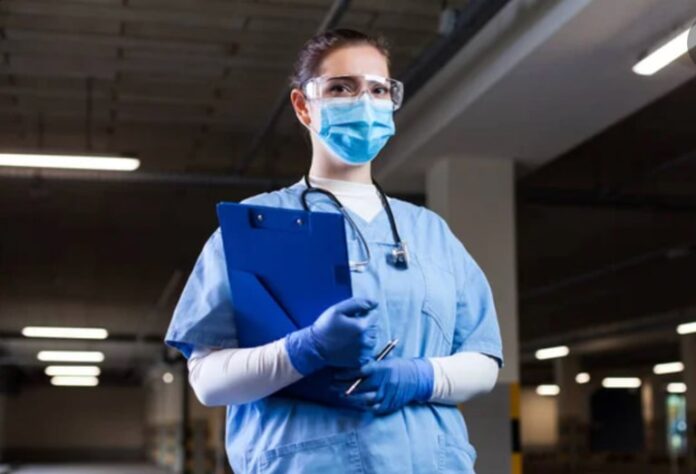
In recent years, urgent care centers have become pivotal in the American healthcare landscape. Designed to offer quick and convenient medical attention, these centers help patients address pressing health matters that aren’t severe enough for the emergency room but are too serious for routine doctor appointments.
Facilities such as the urgent care clinic Springfield exemplify how these clinics provide swift, efficient care, reducing wait times and the need for scheduled visits. In doing so, urgent care clinics bridge the gap between crowded ERs and booked-up family practices, serving communities with essential medical support when needed most.
This accessibility is paired with an impressive breadth of services, from diagnosing and treating everyday illnesses to offering preventive care such as vaccinations and physical exams. Whether it’s a weekend illness, a sports-related injury, or a need for quick lab results, urgent care centers deliver essential medical services without the lengthy delays often associated with traditional care pathways.
Diagnosis and Treatment of Common Illnesses
Urgent care centers are the first stop for fast treatment of routine illnesses for many patients. Clinics manage many concerns, including respiratory infections like colds and the flu, ear infections, sinus issues, sore throats, and allergies. Symptoms like fever, coughing, or congestion can be quickly evaluated, with medical professionals providing both diagnosis and effective treatment plans on the spot.
For minor cuts, sprains, or other non-life-threatening injuries, urgent care centers are well-equipped to offer immediate care, including bandaging, suturing, and initial stabilization to keep patients comfortable and safe. Healthline highlights the speedy access provided by urgent care centers, supporting their role in reducing strain on emergency departments.
In addition, healthcare providers at urgent care facilities are trained to spot red flags or worsening symptoms that may require referral to specialized care or an emergency room when necessary, ensuring patients always receive the level of care appropriate for their condition.
X-Rays and Laboratory Tests
One of the distinguishing features of modern urgent care clinics is the presence of on-site diagnostic equipment. These resources empower clinics to deliver rapid diagnostic results, from digital X-ray machines to comprehensive laboratory facilities.
Common tests include blood work, urinalysis, rapid strep and flu tests, and pregnancy screenings. For musculoskeletal injuries, such as suspected fractures or dislocations, immediate imaging allows quick assessment and decision-making so treatment can begin without delay.
Fast lab results enable doctors to pinpoint the issue and give patients peace of mind, allowing them to get back to daily life faster and with greater confidence in their care. According to a report by Healthline, the diagnostics available at urgent care centers offer key advantages compared to traditional outpatient clinics, especially when time is a critical factor.
Physical Exams and Vaccinations
Urgent care facilities aren’t just for when you’re sick or injured – they also play an active role in preventive healthcare. Many offer quick and affordable physical exams for school, work, sports, or summer camps, and can provide documentation that meets organizational requirements.
Clinics are also a convenient source for routine vaccinations, ranging from childhood immunizations and flu shots to travel vaccines required for international trips. With extended hours and walk-in availability, getting a required physical or vaccine doesn’t have to disrupt your schedule.
Treatment for Chronic Conditions
Although urgent care centers are designed for acute medical needs, many also support the ongoing management of chronic diseases. Conditions such as asthma, hypertension, and diabetes may flare unexpectedly, requiring prompt attention to avoid further complications.
Urgent care teams can evaluate symptoms, adjust medications as necessary, provide refills, and refer patients to specialists when longer-term management is required.
This flexible access can be a lifeline for those managing chronic health problems who may not be able to see their primary care provider quickly enough to address urgent concerns. Healthline discusses how urgent care centers can assist with chronic condition management during acute flare-ups or when primary care is inaccessible.
Prescription Medications
When treatment involves medications, urgent care centers can provide prescriptions immediately following an evaluation. Whether for antibiotics for an infection, steroids for inflammation, or pain management for minor injuries, patients can leave with a prescription and clear instructions for follow-up care. This seamless approach reduces delays in starting treatment and enhances patient outcomes.
When to Choose Urgent Care Over Emergency Rooms
Knowing when to visit an urgent care center instead of an emergency room can save time, money, and resources. Urgent care is the right choice for conditions that need immediate attention but aren’t life-threatening, such as moderate asthma attacks, earaches, minor cuts requiring stitches, burns, and sprains.
However, for severe chest pain, symptoms of stroke, major trauma, or difficulty breathing, the ER is the safest destination. When in doubt, err on caution and head to the emergency room for potentially life-threatening situations.
Final Thoughts
Urgent care centers are essential to the healthcare system, offering timely, comprehensive, and cost-effective care for various conditions. With services that span from diagnosis and injury care to preventive screenings and chronic disease management, these clinics provide vital access for patients who need quick solutions without the ordeal of crowded ERs or inflexible office appointments.
As healthcare continues to evolve, urgent care centers will remain indispensable for patients seeking reliable, accessible care across all stages of life.