
Emilie Aubry is a French queer film editor known for commercials, branded content, music videos, short films, and her role as a partner/editor at Church Edit. This profile focuses on Emilie Aubry, the film editor, not Émilie Aubry, the French journalist and presenter.
Her work belongs to a visual world where rhythm, emotion, timing, and restraint matter as much as the footage itself. She is not a public-facing performer; she works behind the screen, shaping how images move and how viewers feel them.
What makes her interesting to me is that her work does not seem built on noise. Her editing is often strongest when it feels precise, controlled, and emotionally clear.
Quick Facts About Emilie Aubry
| Detail | Information |
|---|---|
| Full name | Emilie Aubry |
| Known for | Film editing, commercials, music videos, branded content |
| Public identity | French queer film editor |
| Born in | Bordeaux, France |
| Early career-based | Paris |
| Current career base | United States |
| Current editorial home | Church Edit |
| Role | Partner and editor |
| Earlier / public career links | Division in Paris; Work Editorial |
| Main work areas | Commercials, branded content, music videos, short films |
| Creative style | Rhythm, emotion, restraint, clean visual language |
| Not to be confused with | Émilie Aubry, French journalist and presenter |
This gives the quick answer. Emilie Aubry is best understood as a visual storyteller whose editing gives shape, pace, and emotional force to short-form film.
Emilie Aubry’s Background and Career Path
Emilie Aubry’s path began in France and grew into an international editing career.
She was born in Bordeaux and studied film editing before moving to Paris early in her professional life. Paris gave her access to a larger creative scene: directors, production companies, fashion visuals, music videos, and commercial film work.
Her early career is linked to Division, a Paris-based creative environment known for visually sharp music videos, advertising, and artist-driven projects. That background fits her later work because it sits close to rhythm, style, music, and image culture.
Later, she moved into the U.S. creative industry, where her career expanded across commercials, branded content, music videos, and short films. That move helped her step beyond one city and build a broader international profile.
What Is Church Edit?
Church Edit is an editorial company where Emilie Aubry is publicly known as a partner and editor.
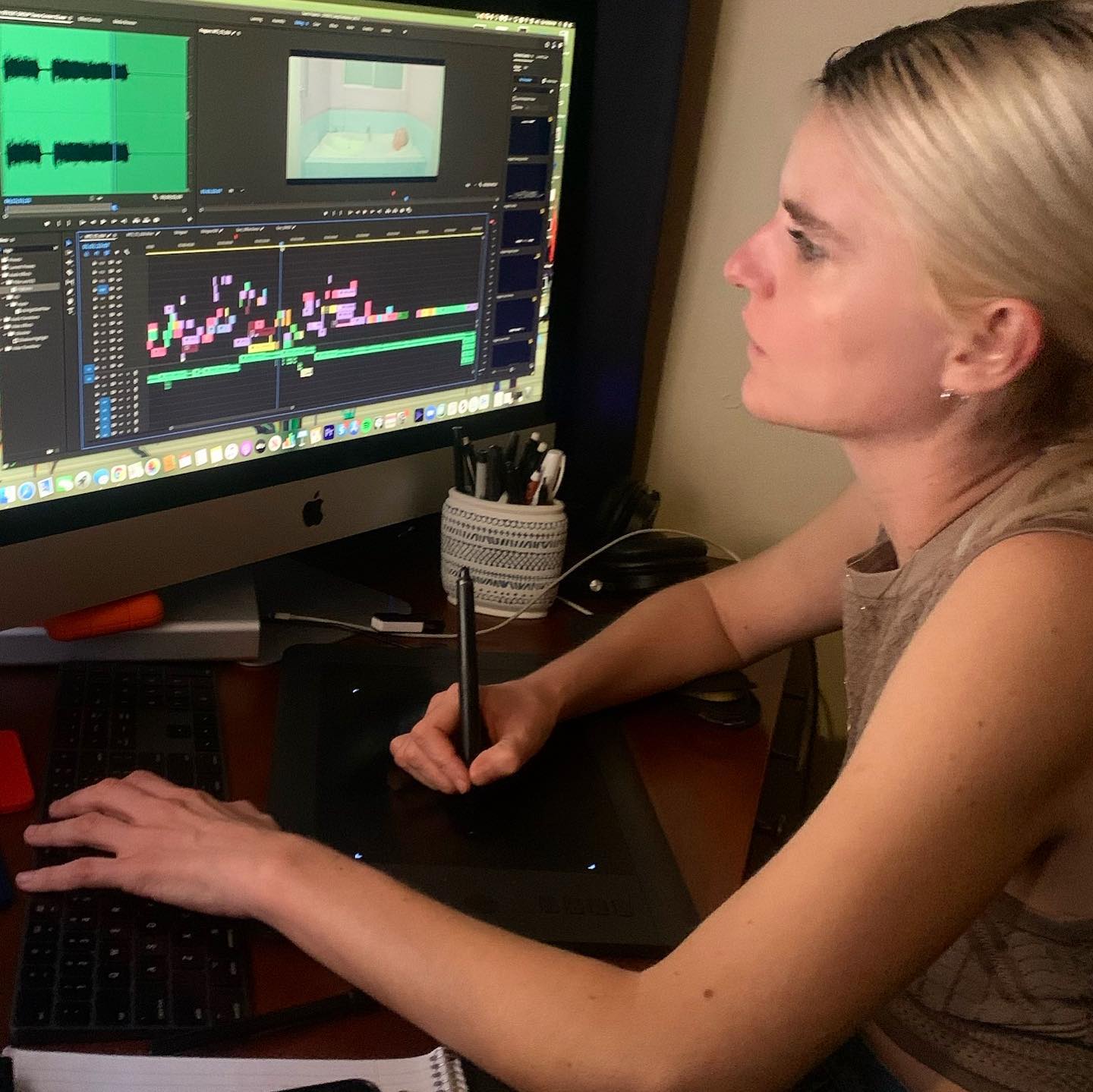
This role matters because it shows she is not only moving from project to project as a hired editor. She holds a visible position inside a respected editing environment.
In commercial filmmaking, the editing company matters. It is where raw footage becomes rhythm, where a campaign finds its pace, and where a director’s idea becomes something viewers can quickly feel.
Aubry’s role at Church Edit also explains her visibility in the creative industry. Her name is connected not only to editing as a craft, but also to the larger world of directors, agencies, brands, artists, and production companies.
What Kind of Work Does Emilie Aubry Edit?
Emilie Aubry edits commercials, branded content, music videos, and short films.
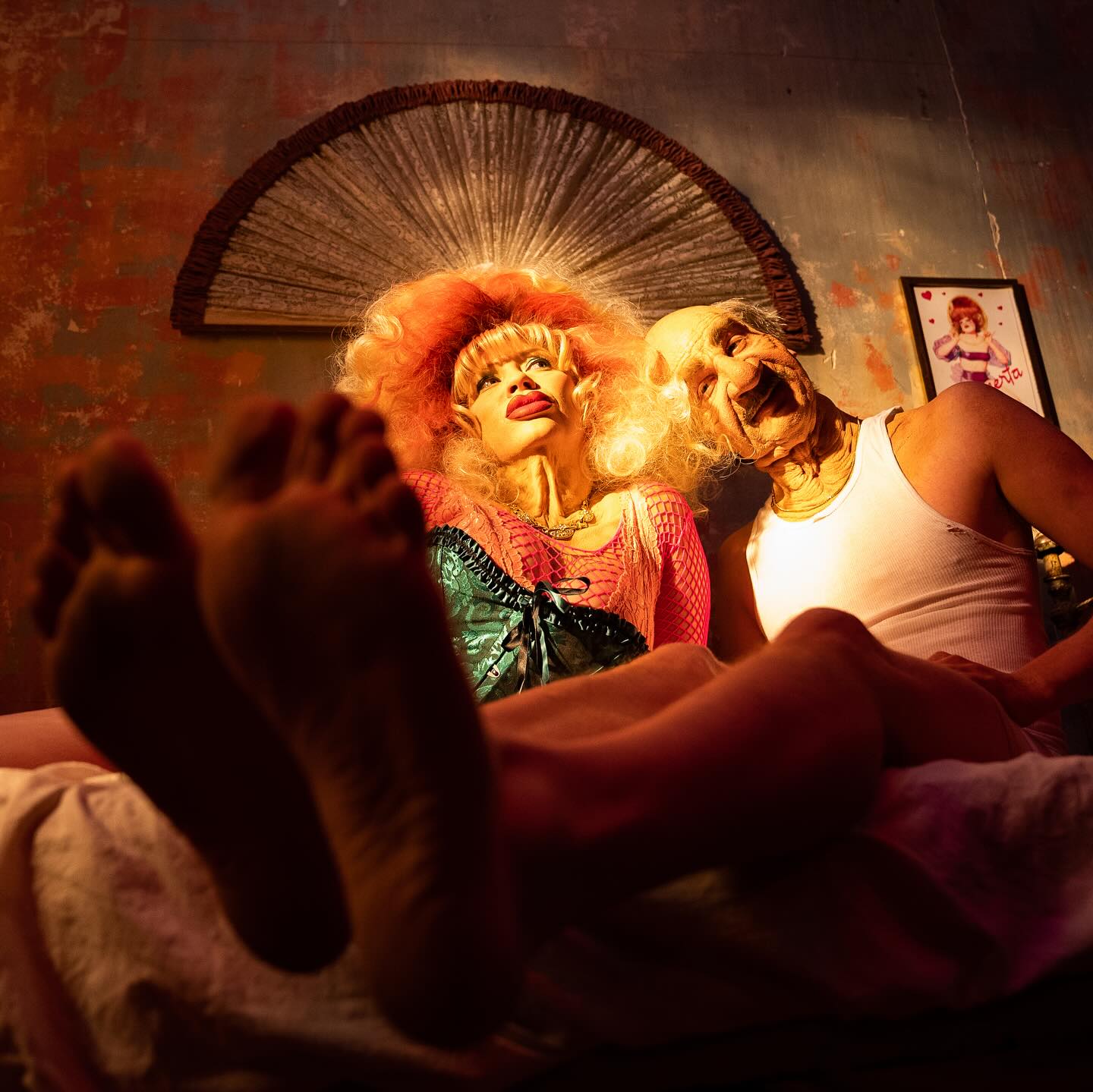
Image source: Instagram
Each format demands a different kind of control. Music videos need instinct, rhythm, and mood. Commercials need clarity, timing, and emotional compression. Branded content often sits between the two: it has to feel cinematic while still carrying a message.
Her work has been associated with fashion, music, technology, lifestyle, and global brand campaigns. That kind of portfolio requires more than technical skill. It requires taste, pacing, and strong judgment.
A good editor in this space has to understand performance, music, product, mood, and attention span. The cut has to feel effortless, even when the decisions behind it are highly precise.
Why Did Music Videos Shape Emilie Aubry’s Editing?
Music videos matter in Emilie Aubry’s career because they train an editor to think through rhythm, sound, movement, compression, and mood.
Unlike long-form film, a music video often has to create a full emotional world in a short time. That kind of work builds instinct: when to cut, when to hold, when to follow sound, and when to let an image breathe.
This background helps explain why Aubry’s commercial and branded work can feel precise without feeling empty. Music-video editing gives her work energy, but her restraint keeps it from becoming chaotic.
What Makes Emilie Aubry’s Editing Style Stand Out?
Emilie Aubry’s editing seems to stand out because it is built around rhythm, emotion, and restraint.
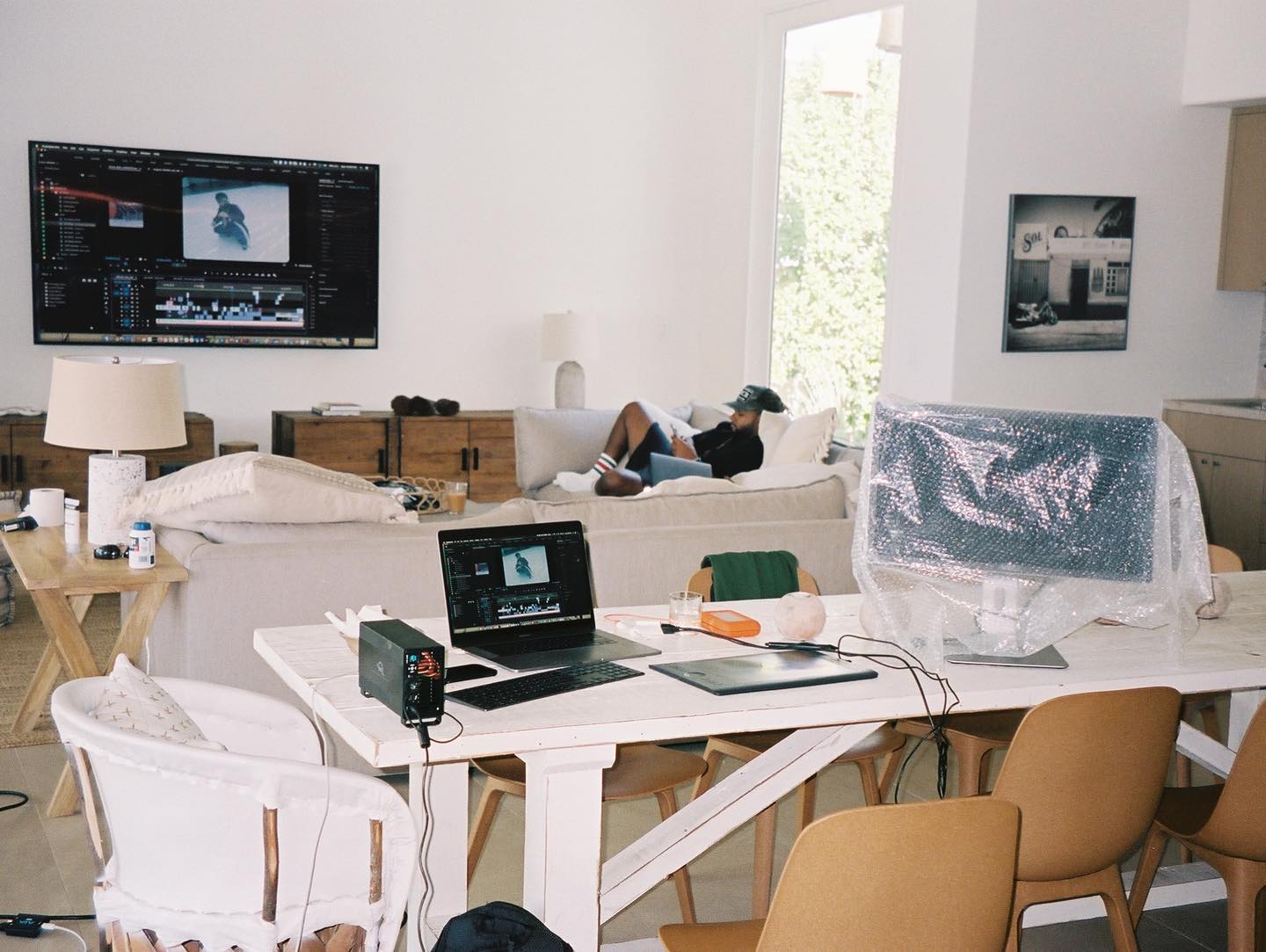
Image source: Instagram
Rhythm is the visible part. In music videos and commercials, timing controls energy. A cut that lands too early can flatten a moment. A cut that lands too late can lose momentum.
Emotion is the deeper part. Editing can change how a face feels, how a gesture reads, or how a brand image becomes a mood instead of a message.
Restraint may be the most interesting part. Many modern visuals try to win attention by moving faster and cutting harder. Aubry’s style feels more controlled. The power is not always in doing more. Sometimes it is in trusting the image enough to let it breathe.
That is why her work can feel clean without feeling cold.
Why Her Work Fits Brands and Music?
Emilie Aubry’s work fits brands and music because both depend on feeling before explanation.
A music video needs mood, motion, and memory. A brand film needs the viewer to feel something quickly without making the message too obvious. Editing is what decides how that feeling arrives.
This is where Aubry’s style works well. She understands that editing is not only about structure. It is sensation. It decides whether a film feels intimate, sharp, dreamlike, minimal, tense, expensive, strange, or human.
That kind of control is why her work suits campaigns, music-driven visuals, and short-form storytelling.
Emilie Aubry Career Timeline
- Bordeaux: Emilie Aubry was born in France.
- Film editing training: She studies editing and builds her technical foundation.
- Paris: She enters the Paris creative industry.
- Division chapter: Her early professional path connects with music videos, fashion, and branded visual culture.
- U.S. career: She expands into the American commercial and creative editing world.
- Church Edit: She becomes publicly known as a partner and editor.
- Current profile: She is best understood as a French queer film editor working across commercials, branded content, music videos, and short films.
FAQ About Emilie Aubry
1. Who is Emilie Aubry?
Emilie Aubry is a French queer film editor known for commercials, branded content, music videos, short films, and her role at Church Edit.
2. Where is Emilie Aubry from?
Emilie Aubry is from France and was born in Bordeaux.
3. What does Emilie Aubry do?
She works as a film editor, shaping rhythm, emotion, timing, and visual flow in commercials, music videos, branded films, and short films.
4. What is Church Edit?
Church Edit is an editorial company where Emilie Aubry is publicly known as a partner and editor.
5. What kind of projects is Emilie Aubry known for?
She is known for commercial films, branded content, music videos, and short-form visual projects connected to brands, artists, and directors.
6. What makes Emilie Aubry’s editing style notable?
Her editing is notable for rhythm, emotional control, restraint, and a clean visual language that supports mood without overexplaining it.
7. Is Emilie Aubry the journalist?
No. This profile focuses on Emilie Aubry, the film editor, not Émilie Aubry, the French journalist and presenter.
What Can We Learn From Emilie Aubry’s Story?
Emilie Aubry’s story shows that editing is not just a technical job; it is a form of authorship. The editor decides how images move, how emotion builds, and how a viewer feels time.
For me, the useful lesson is simple: strong creative work often comes from precision, not volume. Aubry’s career shows how rhythm, restraint, and taste can turn commercial images and music-driven visuals into something with real feeling.