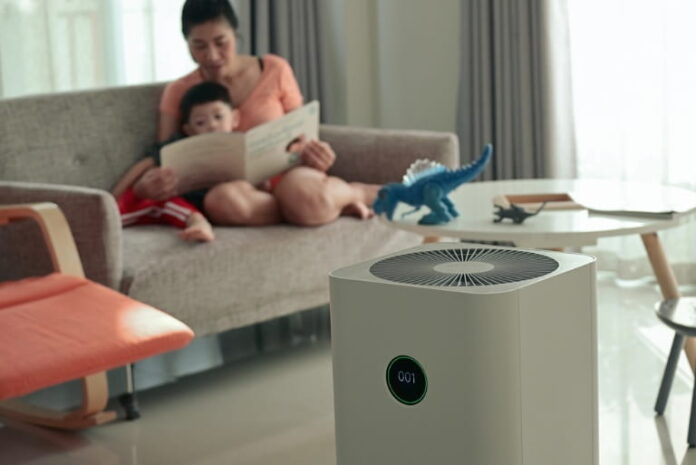
Most people are surprised to learn that the air inside their homes can be two to five times more polluted than the air outside. The U.S. Environmental Protection Agency ranks indoor air quality among the top environmental health risks facing households today—and for good reason. Cooking fumes, cleaning product residues, pet dander, and mold spores are just a few of the invisible contaminants that circulate through our living spaces on a daily basis.
This guide covers the full picture: understanding where pollutants come from, recognizing how they affect your health, and putting practical remediation strategies to work—from improving ventilation to selecting an appropriate air purifier—so you can make genuinely informed decisions about the air your household breathes.
Understanding Indoor Air Pollutants
Indoor air is rarely as clean as it looks. It typically contains a mixture of particulate matter (PM2.5 and PM10), volatile organic compounds (VOCs), carbon dioxide, allergens, and biological contaminants such as mold spores. The sources tend to be surprisingly ordinary: cooking generates particulates and combustion byproducts; cleaning products release VOCs; furniture, carpets, and building materials off-gas chemicals gradually over time.
Pets introduce dander, and poor ventilation—a common feature of energy-efficient, tightly sealed modern homes—allows these contaminants to accumulate rather than dissipate. Getting a clear picture of where pollutants originate is the essential first step toward doing something meaningful about them.
Health Impacts of Poor Indoor Air Quality
Short-term exposure often produces headaches, fatigue, eye irritation, and worsening allergy symptoms—effects that are easy to chalk up to unrelated causes. Over time, however, the consequences become considerably more serious. Research published in peer-reviewed environmental health journals links chronic exposure to indoor particulates and VOCs with increased asthma risk, reduced lung function, and cardiovascular stress.
Children, elderly individuals, and those with pre-existing respiratory conditions carry a disproportionate share of that burden. Emerging evidence also connects poor air quality with disrupted sleep and diminished cognitive performance, which makes clear that this is far more than a comfort issue.
Key Takeaway: Poor indoor air quality is associated with both immediate discomfort—such as headaches and respiratory irritation—and serious long-term risks including asthma development and cardiovascular effects. Children and the elderly face the greatest health burden.
Assessing Your Home’s Air Quality
Before reaching for solutions, it’s worth taking stock of your current situation. Observable warning signs include persistent dust accumulation, musty odors, condensation on windows, and allergy or asthma symptoms that seem to flare up primarily when you’re indoors.
For a more precise picture, professional air quality testing can measure specific pollutant concentrations—a particularly worthwhile investment in older homes or after renovations. Consumer-grade air quality sensors offer a practical middle ground, tracking particulates and humidity in real time without a significant upfront cost.
Practical Strategies for Improving Indoor Air Quality
Improving indoor air quality calls for a layered approach rather than a single fix:
- Ventilation: Open windows during low-pollution periods and use exhaust fans in kitchens and bathrooms to remove pollutants directly at their source.
- Source control: Switch to low-VOC paints, fragrance-free cleaning products, and natural building materials wherever feasible.
- Regular maintenance: Replace HVAC filters on schedule and vacuum with HEPA-equipped equipment to keep settled particulates in check.
- Humidity management: Aim to keep indoor humidity between 30–50% to inhibit mold growth and dust mite activity; a dehumidifier works well in persistently damp spaces.
- Air filtration: Mechanical filtration systems that combine HEPA and activated carbon stages can meaningfully reduce both particulates and VOCs in occupied rooms.
Each strategy targets a different category of pollutant, which is precisely why combining several approaches consistently outperforms any single intervention.
Choosing the Right Solutions for Your Needs
The most effective course of action depends on the specific challenges your household faces. Homes with allergy sufferers may benefit most from HEPA filtration and frequent vacuuming, while those with new furnishings or a recent renovation should focus on VOC reduction through ventilation and source control.
When evaluating options, weigh room size, pollutant types, maintenance requirements, and long-term costs together. Both the WHO and EPA recommend integrated strategies—addressing sources first, then supplementing with filtration and ventilation—as the most sustainable and cost-effective path forward.
Maintenance and Long-Term Air Quality Management
Good indoor air quality isn’t a one-time achievement; it’s an ongoing commitment. Building a seasonal review habit helps: inspect filters before heating and cooling seasons kick in, check for moisture issues after wet weather, and revisit your strategies if symptoms start creeping back.
Consistent filter replacement and sensible ventilation habits are far less expensive over time than dealing with health consequences or mold remediation down the line. Small, regular actions are what sustain the improvements you’ve worked to establish.
A Final Word
Indoor air quality is manageable, and the evidence is clear: a multi-faceted, consistent approach yields genuine health benefits. Start by honestly assessing your home’s specific conditions, then layer in solutions that fit your circumstances—beginning with the lowest-cost interventions and building from there. Improving the air you breathe at home is one of the most direct, lasting investments you can make in your long-term well-being.