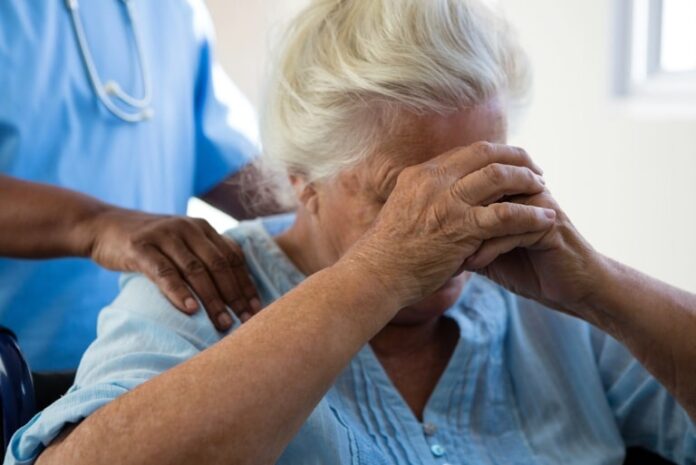
Kennesaw is a growing Georgia community known for its small-town warmth and family-centered values. Its residents take pride in caring for loved ones across generations, making the decision to move an elderly family member into a nursing home an emotional and deeply personal one.
Families in Kennesaw expect these facilities to provide safety, comfort, and dignity to those who once cared for them. Yet, despite the city’s strong sense of community, instances of neglect can occur quietly behind closed doors. Recognizing when something is wrong becomes essential to protecting vulnerable loved ones and ensuring they receive the respect and attention they deserve.
Understanding the warning signs of neglect can prevent serious harm and even save lives. Physical injuries, emotional withdrawal, or poor hygiene often serve as indicators that a resident’s basic needs are being ignored. These red flags must never be dismissed. Consulting a nursing home abuse lawyer in Kennesaw can help families identify patterns of neglect, gather evidence, and take swift legal action to safeguard the well-being and rights of their loved ones.
Unexplained Injuries
Unexpected bruises, cuts, or fractures can indicate inattentive supervision. Frequent injuries can suggest inadequate monitoring or forced handling. Slow or untreated wounds may indicate insufficient medical care. Families should pay attention if caregivers cannot explain how injuries occurred. Visible marks can indicate an unsafe environment or staff neglecting their responsibilities. Observing patterns in these incidents can help you determine if a serious problem exists.
Poor Personal Hygiene
Cleanliness should be maintained consistently. If residents look scruffy or wear unclean clothes, staff may be overlooking basic hygiene routines. Dirty fingernails or unwashed hair may be signs of infrequent bathing. Bedridden individuals require regular changing to prevent discomfort and infection. Neglecting grooming needs, like trimming nails or shaving, can cause discomfort and lower self-esteem. If a family observes ongoing cleanliness problems, they should discuss their concerns with management.
Sudden Weight Loss or Dehydration
Sudden weight loss or signs of dehydration can indicate that the individual is not getting sufficient nutrition. They may be skipping meals, or their dietary requirements could be ignored. People who cannot feed themselves need help during mealtimes. When they are dehydrated, they may be confused and have dry lips and sunken eyes. Never disregard major changes in physical appearance. Regularly monitoring the individual’s weight and hydration can help you ensure they are meeting their nutritional requirements.
Emotional Withdrawal
Mood changes like sadness or anxiety may be a sign of emotional neglect. Someone who used to be cheerful may become withdrawn. Residents may no longer make eye contact or cease participation in activities. If certain staff members evoke fear, that may suggest mistreatment. Families need to pay attention to these changes and ask caregivers for clarification.
Unsanitary Living Conditions
Homes need to be clean, orderly, and safe. The presence of overflowing trash, dirty linens, and foul smells suggest that cleaning routines are not being followed. Pests or mold in rooms may indicate systemic issues within the facility. Frequent sanitization of bathrooms is required to prevent infection. A dirty or unsafe environment presents health risks for inhabitants. Family members should inspect living quarters on a regular basis and voice concerns about cleanliness.
Bedsores and Skin Conditions
Bedsores, also called pressure ulcers, develop when immobile individuals are not repositioned regularly. If these painful wounds are not treated, they can become infected. If the skin is red, swollen, or blistered, seek medical help right away. Adequate repositioning and proper skin care can prevent these injuries. If you observe these conditions, it can indicate that staff may not be giving bedridden residents the care they need. It is important for medical staff to address these concerns promptly.
Errors in Administering Medication
For the elderly, taking the wrong medication or skipping doses can have serious consequences. Poorly managed medication can result in confusion or lethargy. Residents relying on medications for chronic conditions need precise administration. Families need to check medication schedules and inquire about changes or inconsistencies. A nursing home abuse attorney can provide guidance and support and advocate for fair compensation.
Conclusion
There are various forms of nursing home neglect, ranging from bodily harm to emotional detachment. Family members can play a vital role in protecting their loved ones by recognizing the warning signs. Regular visits, open communication, and close observation can help you ensure residents receive the care they deserve. Early detection of neglect allows families to address concerns swiftly and ensure residents get the care they need.