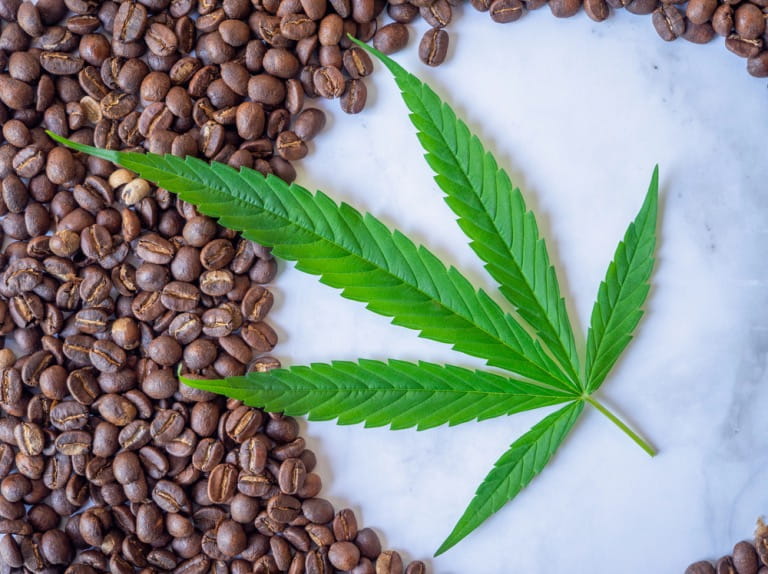
Coffee had its big moment during the pandemic, driven by the likes of James Hoffmann on YouTube, where people were rejecting instant granules in favour of freshly harvested beans. And, taking a genuine interest in flavour profiles, roast levels, and farm source.
Third wave coffee did actually start a little further back, in 2003, while “specialty coffee” was termed back in the 80s. Clearly, though, a cultural zeitgeist moment needs to happen for it to go mainstream.
Some are saying that CBD flower is now going through this same moment, where strain name, growing method, and harvesting technique are all taken into the picture and appreciated – not just the relaxation side of things alone.
What craft looks like in a bag of flower?
Curing, not just drying
If we look at some of the best CBD flowers, such as from cali-weed, their product pages are a little bit like a distillery tour rather than just a transactional or shifty headshop counter. Flowers are hand-harvested, dried in climate-controlled chambers, hand-manicured to clear leaf matter from the bud, put through a curing stage that brands often describe as modelled on wine-ageing techniques, before vacuum-sealing to really lock in the scent and structure.
That’s the kind of language that cali-weed uses, and it signals something about who they think their customers are. Which is, like wine and coffee lovers, they see them as being connoisseurs who appreciate the craft and origins of the product.
The percentage on the label
The number on the packet is generally where the coffee-shop framing then gets tested against something a little more concrete. Typical CBD flower sits somewhere in the 5% to 15% range, and buying guides often flag that anything that is printed higher than what usually reflects CBDA, the raw, non-decarboxylated form of the compound still present before drying (not a stronger flower).
Each batch will have its own lab analysis for CBD, CBG and THC content before it’s listed. The same incentives that push a coffee bag to print a roast date and farm name rather than just saying medium roast.
Why the testing isn’t just theatre?
It’s an instinct that is developing because the market more broadly has given buyers a real reason to distrust a label. A 2019 blind lab test of 30 UK CBD oil products, commissioned by the Centre for Medicinal Cannabis and run through an independent lab, found only 38% landed within 10% of their advertised CBD content. Another 38% had less than half of what the label claimed (including one £90 high-street product with no measurable CBD at all). 45% of the batch carried detectable THC or CBN.
Buying from credible places that publishes its own batch testing is still, unfortunately, needed in the current market. It’s a bit like demanding a farm name on a coffee bag once you know how many medium roast tins were cut with filler. The habit of checking the paperwork before the packaging, already standard advice in adjacent wellness categories, has simply arrived at flower a little later than everywhere else.