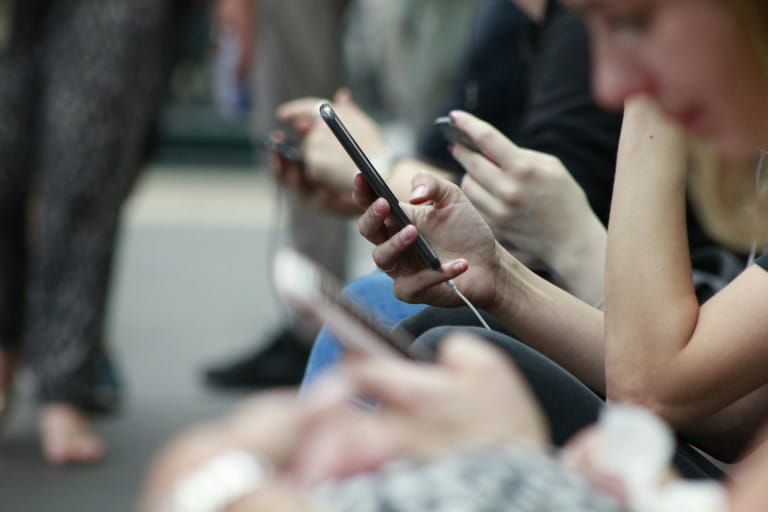
Smartphones have become the default screen across the continent, yet the way people actually use them changes dramatically the moment you cross from Stockholm to Seville. Data from Eurostat, GSMA Intelligence, and national telecom regulators paint a picture of two different digital cultures sharing the same devices. In this guide we look at what really separates a Nordic commuter from a Mediterranean one when it comes to mobile behavior.
Connectivity and Infrastructure Gaps
Northern Europe tends to lead on fixed-line fibre and early 5G rollouts. Countries like Sweden, Finland, Denmark, and the Netherlands report some of the highest median mobile download speeds in the EU, and public Wi-Fi is widespread in transport hubs. Southern markets such as Italy, Greece, and parts of Portugal have leaned harder on mobile-first connections since fibre penetration was slower to arrive in smaller towns and rural areas.
The practical result is simple: a user in Helsinki often switches seamlessly between home Wi-Fi and 5G, while a user in Naples may spend far more of their day on cellular data alone. That single difference shapes almost every other habit that follows.
Screen Time and Daily Rhythm
App usage patterns follow the working day very differently across regions. In Nordic countries, mobile screen time peaks sharply during morning commutes and early evenings, then drops off before 22:00. In Spain, Italy, and Greece, evening usage stretches well past midnight, with a clear second peak after late dinners.
Payments, Wallets, and Trust
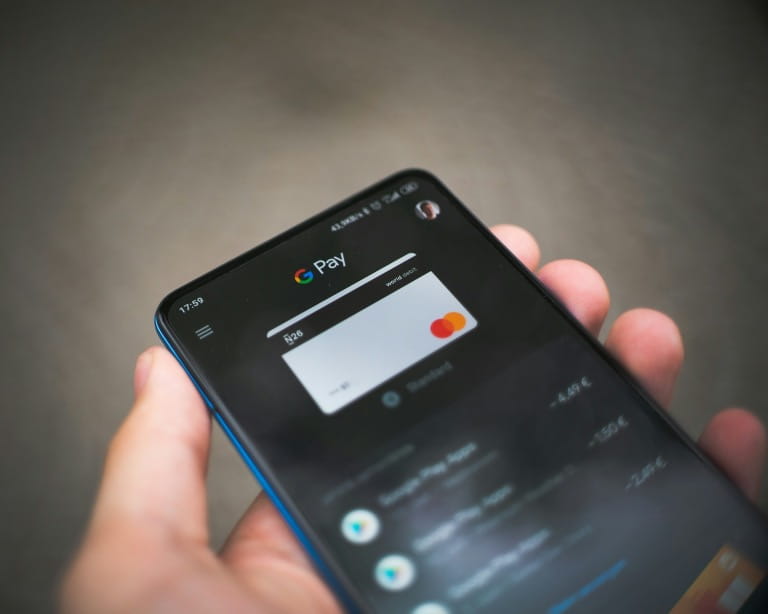
Mobile payments show one of the sharpest north–south splits. Sweden and Denmark are almost cashless, with Swish and MobilePay handling everything from rent to street-market purchases. Norway and Finland follow closely. In contrast, Italy, Greece, and Portugal still see cash as a meaningful part of daily spending, although Bizum has made Spain a notable exception, with adoption climbing quickly among younger users.
Card wallets such as Apple Pay and Google Pay are common across Europe, but southern users are more likely to keep several payment methods on the same phone, including prepaid options such as Paysafecard and CASHlib for online purchases. Readers comparing payment availability across different markets can visit cazinourix.com to review supported methods, processing times, fees, and other practical differences before choosing a platform.
Entertainment and Content Preferences
Streaming habits differ too. Northern users lean toward podcasts, audiobooks, and long-form video, often consumed with headphones during commutes. Southern users spend more time on short-form video, social messaging, and live sports streams, frequently shared aloud in group settings.
Gaming and Casual Play
Casual mobile gaming is popular across the continent, but the mix varies. Nordic players favor puzzle and strategy titles, while southern audiences show stronger interest in social casino games, sports-related apps, and slots-style entertainment from providers such as Pragmatic Play, Play’n GO, and Amusnet Interactive. As always with real-money play, local licensing rules from regulators like the KSA, GGL, ADM, DGOJ, and ANJ define what is available, and readers should play within personal limits and treat gambling as entertainment.
Privacy Attitudes
Northern users are generally quicker to reject cookies, use VPNs, and enable app-tracking transparency. Southern users are more tolerant of personalized ads but increasingly cautious about data sharing, especially after high-profile breaches. GDPR applies everywhere, yet the cultural reading of it is not identical from one capital to another.
What This Means for Readers?
Mobile habits are not just a matter of speed tests and app charts. They reflect climate, working hours, meal culture, transport networks, and trust in institutions. Understanding these differences helps travelers, expats, and the Romanian diaspora across Europe pick the right tariffs, wallets, and content services for wherever they happen to live today.